Clinical text analytics
Developing and evaluating NLP, foundation models and information extraction methods for clinically meaningful information.
We develop language technologies, health intelligence and privacy science to make information in healthcare narratives useful for rigorous, trustworthy research.
Clinical notes, reports and letters capture symptoms, decisions, responses to care and the context around a person's healthcare journey. They can transform research, but they are sensitive, complex and created within a relationship of trust.
We combine computational methods with clinical validation, privacy assessment, governance, and patient and public involvement.
Developing and evaluating NLP, foundation models and information extraction methods for clinically meaningful information.
Turning narratives into research-ready data for epidemiology, population health, healthcare analytics and translational research.
Building evidence-based approaches to privacy risk, Trusted Research Environments and responsible clinical language models.
Our projects span discovery science, public health, cancer informatics and the infrastructure needed to work safely with sensitive narratives.
Deriving robust measures of antidepressant exposure and response from GP and hospital narratives.
Programme PI: Cathryn Lewis · Clinical text informatics led by our groupExtracting disease, treatment and biomarker information to build longitudinal patient knowledge graphs.
Clinical Fellow: Sam McInerney · Supervisors: Peter Hall, Arlene Casey, David Lowe and Kathryn CresswellUnderstanding contextual privacy risk and developing safe access approaches for free text.
Principal Investigator: Arlene CaseyAssessing when language models trained on sensitive healthcare data can be safely released.
PI: Arlene Casey · Co-Investigators: Pasquale Minervini and Richard WallsOur group works closely with DataLoch, connecting University of Edinburgh research with the secure data, governance and Trusted Research Environment expertise needed to make new approaches usable in practice.
The collaboration supports safe access to clinical free text, privacy-risk assessment, NLP-derived research variables and responsible model development.
Technical performance alone cannot answer questions about sensitive healthcare narratives. Patients and members of the public help us understand what feels sensitive, which safeguards are expected and where human judgement should remain central.
Workshops and wider consultation explored privacy risk in clinical free text and data provenance. Public involvement informed the project methods and reinforced the importance of human oversight.
Read the project report ↗Our current work explores public perspectives on using AI and language models to identify privacy risks in sensitive free text and inform responsible access within secure environments.
Follow the work through DataLoch ↗We publish peer-reviewed papers, preprints and accessible perspectives on our work in progress.
A diagnostic accuracy study of a large language model by Humphries, Brett, Gruber, Rahman, Casey and colleagues.
Published in BMC Medical Informatics and Decision Making.
Public views on privacy risks, accuracy and safeguards within the STAR-TRE project.
Introducing the project’s approach to safe research access for sensitive free-text data.
Transforming clinical narratives into structured evidence for public health research.
Published in AI and Ethics.
Healthcare text contains technical information alongside uncertainty, personal circumstances and highly sensitive details. Robust clinical language informatics needs interdisciplinary methods from the outset.
Our team brings together expertise in clinical NLP, health data science, machine learning, privacy, governance and public involvement.
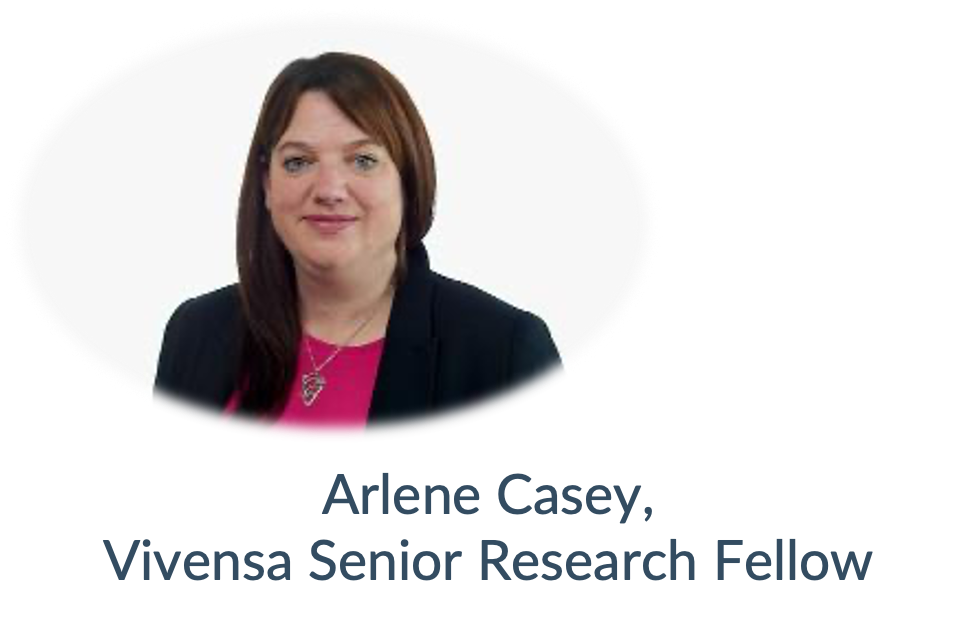
Group Leader
Vivensa Senior Research Fellow
Strategic and Operational NLP Lead, DataLoch
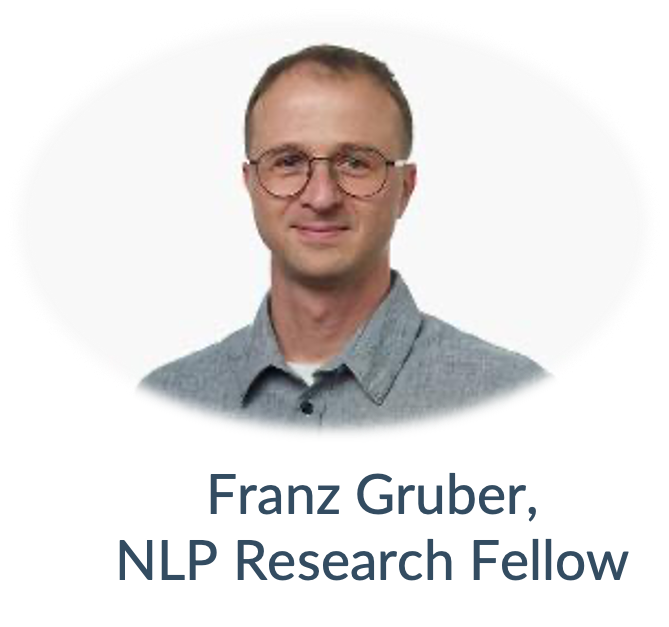
NLP Research Fellow
STAR-TRE · TransPECT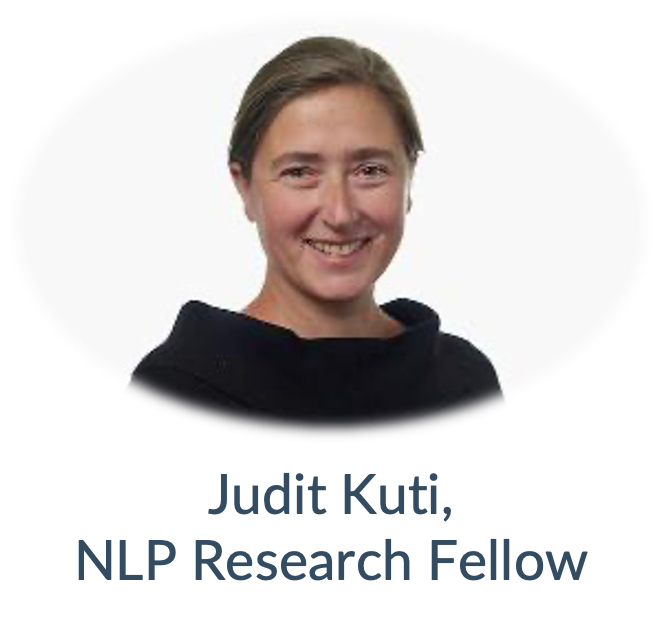
NLP Research Fellow
STAR-TRE · TransPECT
NLP Research Fellow
STAR-TRE · TransPECT
NLP Research Fellow
AMBER
Clinical Fellow · Cancer clinical language informatics
Can AI Tell the Story of Cancer?Our projects are also shaped by clinical collaborators, data specialists, information governance experts, and patient and public contributors across universities, the NHS and Trusted Research Environments.
We welcome conversations with researchers, clinicians, public partners and organisations working on trustworthy health data research.
Get in touch